
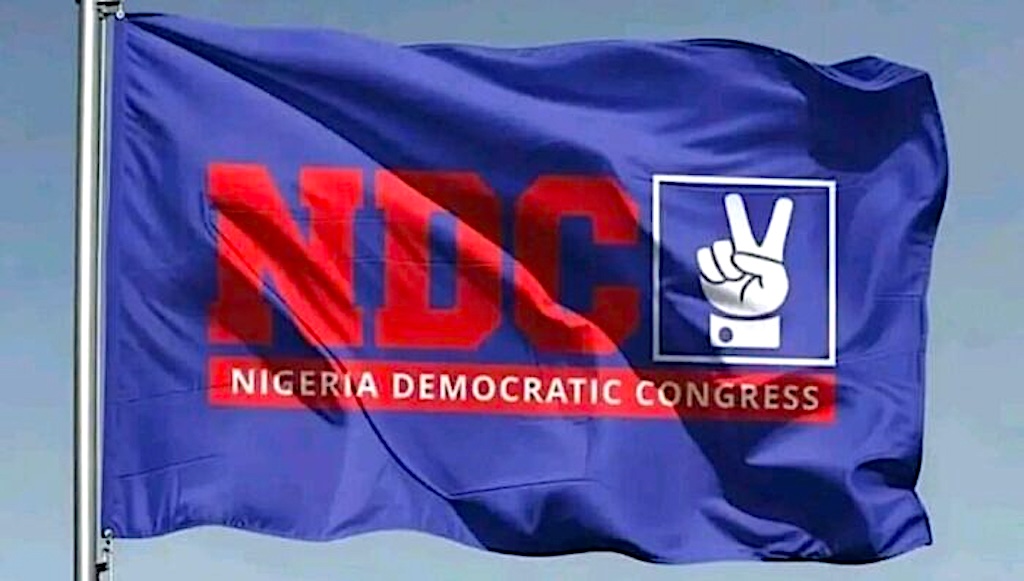
…Introduces Tough Anti-Defection Policy
In a move aimed at strengthening party discipline and curbing the growing trend of political defections, the Nigeria Democratic Congress (NDC) has announced a new policy requiring all candidates seeking elective offices on its platform to sign indemnity forms before participating in elections.
The decision was reached at the party’s second National Executive Committee (NEC) meeting, where leaders outlined a series of reforms designed to reinforce internal democracy, accountability, and loyalty among party members ahead of the 2027 general elections.

Speaking on the resolutions of the meeting, the party’s National Publicity Secretary, Osa Director, said the NDC is committed to building a political institution anchored on discipline and transparency rather than individual interests.
According to him, the indemnity forms are intended to discourage elected officials from abandoning the party after securing victory at the polls. He noted that candidates who benefit from the party’s platform must remain committed to its ideals and objectives.
The party also unveiled stricter financial accountability measures, directing candidates to fully disclose campaign funds received and expended during electioneering activities. Under the new guidelines, campaign finances for major elective positions will be managed through designated party-approved channels to ensure transparency and proper oversight.
Beyond electoral commitments, the NDC emphasized the supremacy of party structures, stating that public office holders elected on its platform would be expected to maintain close engagement with the party on major governance decisions and policy directions.
As part of broader institutional reforms, the NEC approved the development of a comprehensive code of conduct for party officials, candidates, and elected representatives. A committee led by the party’s National Legal Adviser has been mandated to draft the framework and recommend enforcement mechanisms.
The party also announced the establishment of a National Reconciliation Committee to address grievances arising from recent primary elections and strengthen unity among members across the country.
Party leaders described the reforms as necessary steps toward building a stronger and more cohesive political organization capable of sustaining public trust and delivering effective leadership.
Political observers say the NDC’s latest measures reflect growing concerns among political parties over the persistent culture of defections, which has continued to reshape Nigeria’s political landscape and weaken party ideology.
With preparations for the 2027 elections gradually gathering momentum, the NDC believes the new policies will help preserve party loyalty, strengthen internal cohesion, and ensure that candidates remain accountable to the platform that sponsors their political ambitions.