
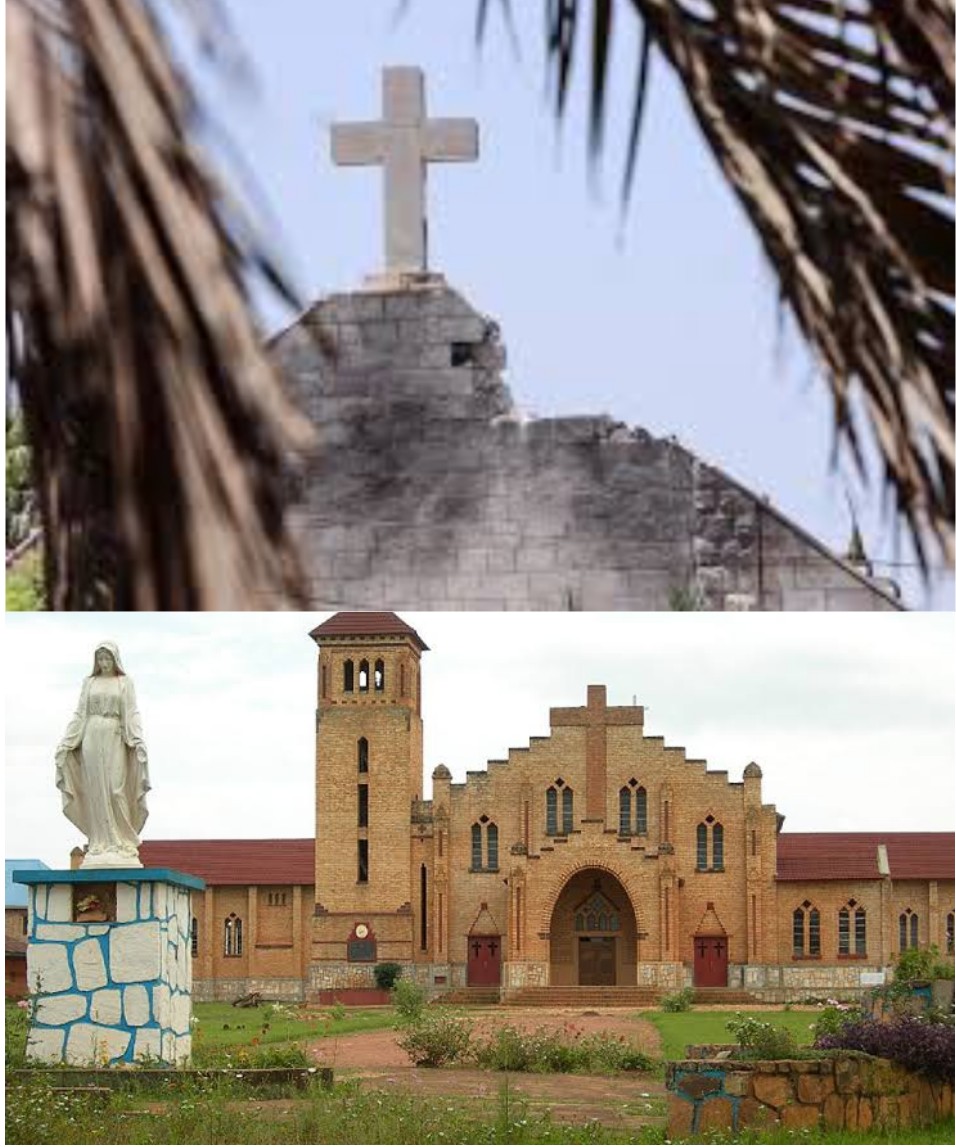
The Government of Rwanda has shut down thousands of churches across the country as part of an intensified enforcement of regulations governing faith-based organisations, with figures from different enforcement phases ranging between 6,000 and over 10,000 closures.
Authorities say the action is not a blanket ban on religious activity but a compliance driven operation targeting places of worship that fail to meet statutory requirements introduced under a 2018 law regulating religious institutions. The legislation mandates formal registration, adherence to building and safety standards, financial transparency, and minimum academic qualifications for religious leaders.
Officials in Kigali maintain that the crackdown is designed to protect congregants from exploitation, ensure structural safety of worship centres, and bring order to what they describe as an unchecked proliferation of informal churches. The government has repeatedly argued that enforcement is necessary to safeguard public welfare and professionalise religious leadership.

Under the regulatory framework, churches must operate from approved premises that meet hygiene and construction standards, including proper sanitation and soundproofing. Religious leaders are also required to possess recognised theological training, a provision authorities say is aimed at improving doctrinal accountability and curbing fraudulent practices.
President Paul Kagame has previously expressed concern over the rapid growth of small, independent churches, warning that some operate without oversight and place financial burdens on vulnerable worshippers. Government representatives insist the closures are administrative measures grounded in law, not religious persecution.
However, the move has drawn criticism from some local and international observers who argue that the scale and pace of enforcement could undermine freedom of worship. Critics contend that certain closures were based on technical or remediable deficiencies and that stricter academic requirements may disproportionately affect grassroots congregations.
Religious organisations impacted by the enforcement drive have been advised to address compliance gaps before seeking reauthorisation to reopen. The government says the process remains open to institutions willing to regularise their status under the law.
The development underscores the ongoing tension between regulatory oversight and civil liberties in Rwanda’s religious landscape, as authorities balance governance objectives with constitutional guarantees of freedom of religion.