
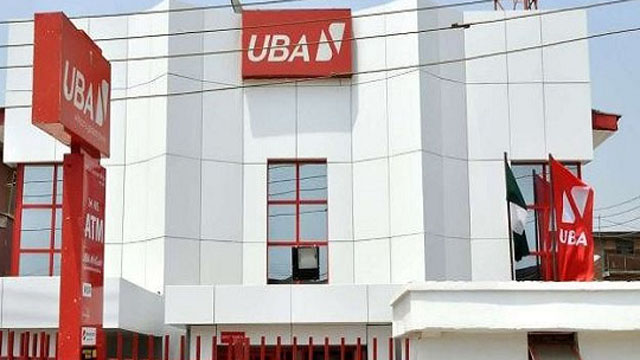
Hundreds of traders across Osun State have reportedly initiated the closure of their accounts with United Bank for Africa (UBA), citing growing apprehension over the security of their funds amid the ongoing controversy surrounding the management of local government allocations in the state.
Visits to several UBA branches revealed significant customer activity, with traders formally requesting to terminate their banking relationships. The development follows widespread media reports alleging irregularities in the handling of local government funds, which some customers believe could signal institutional vulnerabilities in safeguarding deposits.
Several affected traders who spoke on condition of anonymity indicated that they declined appeals from bank officials urging them to reconsider. According to them, confidence being fundamental to banking relationships has been eroded by the unfolding events tied to the Osun local government funds dispute.

One trader emphasized that the primary determinant for maintaining a banking relationship is the assurance of fund security. He argued that any perception of deviation from established financial governance standards, particularly in relation to public funds, raises legitimate concerns for private depositors.
Another customer, a long-standing account holder of over 15 years, described her decision as difficult but necessary. She noted that allegations suggesting possible circumvention of statutory signatory protocols in the management of local government accounts have heightened fears about operational compliance and internal controls. For her, the perceived risk outweighed the benefits of continuity.
The controversy stems from reports that UBA became entangled in the dispute over local government allocations in Osun State, with claims that due process regarding authorized signatories may not have been strictly adhered to. The situation has reportedly escalated into a legal confrontation between the bank and the Osun State Government, including court actions and the issuance of a bench warrant against certain senior bank officials.
As the impasse continues, affected traders maintain that their actions are precautionary rather than political. Some argue that as a leading financial institution within Nigeria’s banking ecosystem, UBA carries a heightened responsibility to reinforce trust through strict adherence to regulatory and governance frameworks.
They contend that clarity around signatory authorization is central to public fund security and that any perceived compromise regardless of context creates reputational and confidence risks. Consequently, a number of traders have opted to disengage, asserting that safeguarding their capital remains their overriding priority while the matter remains unresolved.